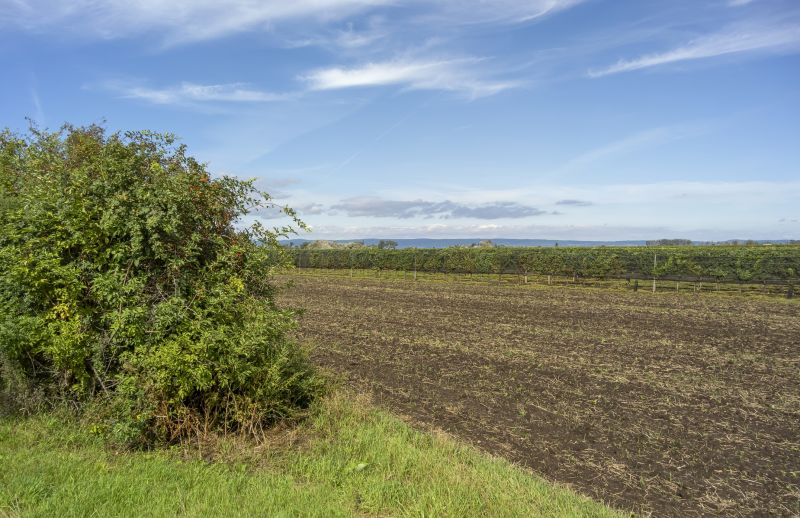
Field Clearing in Salt Lake City, UT
Field clearing services involve the removal of trees, brush, and other vegetation to prepare a property for development, landscaping, or improved accessibility. These services typically cover a variety of projects such as site preparation for new construction, creating firebreaks, clearing overgrown areas, or maintaining open spaces. Property owners often seek this service to ensure their land is safe, accessible, and ready for future use, especially when dealing with dense or unmanaged vegetation that may hinder progress or pose safety concerns.
Before requesting field clearing, property owners should consider the size and type of vegetation to be removed, as well as any local regulations or permits that may be required. It is also helpful to understand the scope of work needed, including whether debris removal or stump grinding is included. Clarifying these details can help ensure the project aligns with expectations and that the land is properly prepared for its intended purpose.
Many property owners in Salt Lake City, UT look into Field Clearing for repairs, replacements, upgrades, and appearance-related improvements.
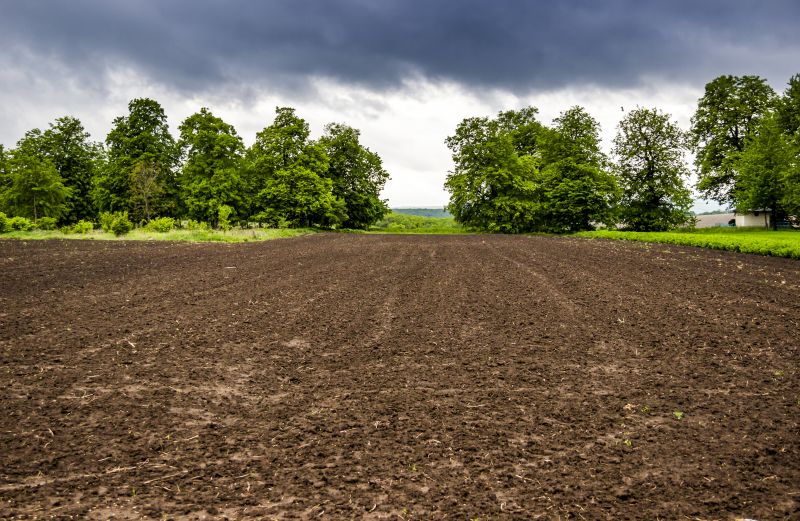
Site Preparation For Development
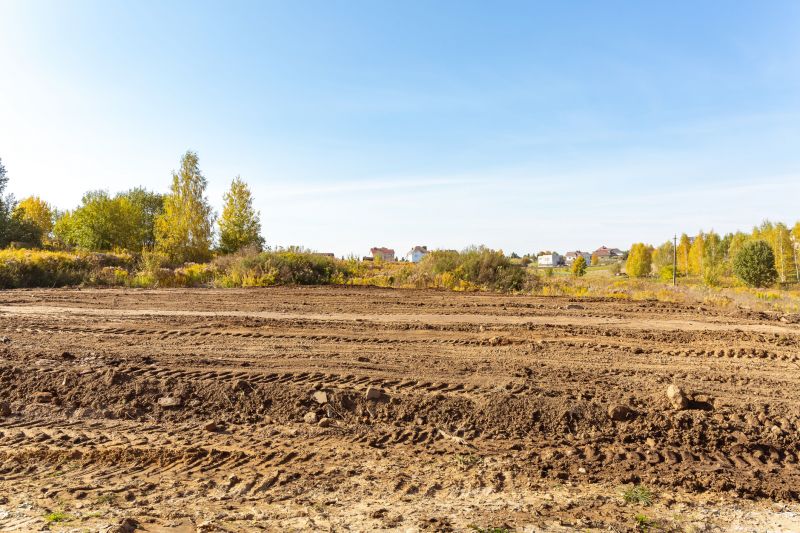
Clearing overgrown areas to prepare land for construction or landscaping projects.
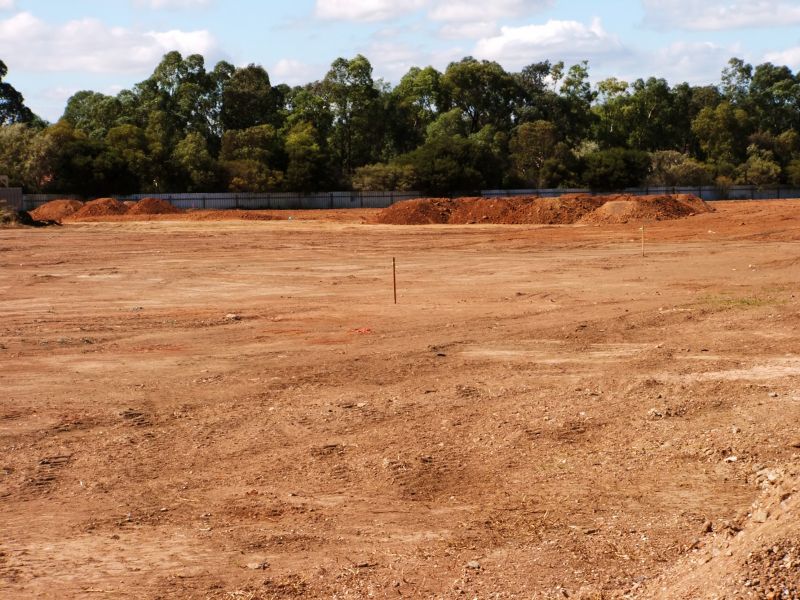
Vegetation Removal And Maintenance
Removing trees, shrubs, and brush to improve visibility and safety on residential or commercial properties.
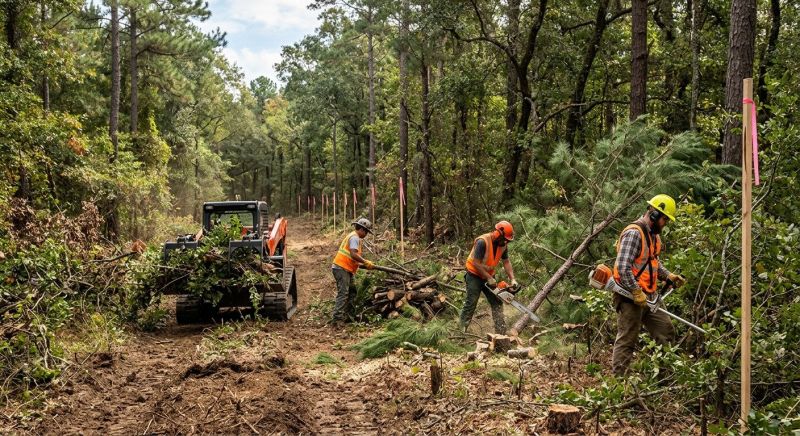
Firebreak And Safety Clearing
Creating cleared zones around properties to reduce fire risk and enhance safety in salt lake city, ut.
Field Clearing in Salt Lake City, UT

Field clearing services involve the removal of trees, brush, and other vegetation to prepare a property for development, landscaping, or improved accessibility. These services typically cover a variety of projects such as site preparation for new construction, creating firebreaks, clearing overgrown areas, or maintaining open spaces. Property owners often seek this service to ensure their land is safe, accessible, and ready for future use, especially when dealing with dense or unmanaged vegetation that may hinder progress or pose safety concerns.
Before requesting field clearing, property owners should consider the size and type of vegetation to be removed, as well as any local regulations or permits that may be required. It is also helpful to understand the scope of work needed, including whether debris removal or stump grinding is included. Clarifying these details can help ensure the project aligns with expectations and that the land is properly prepared for its intended purpose.
Many property owners in Salt Lake City, UT look into Field Clearing for repairs, replacements, upgrades, and appearance-related improvements.
Common Field Clearing Jobs
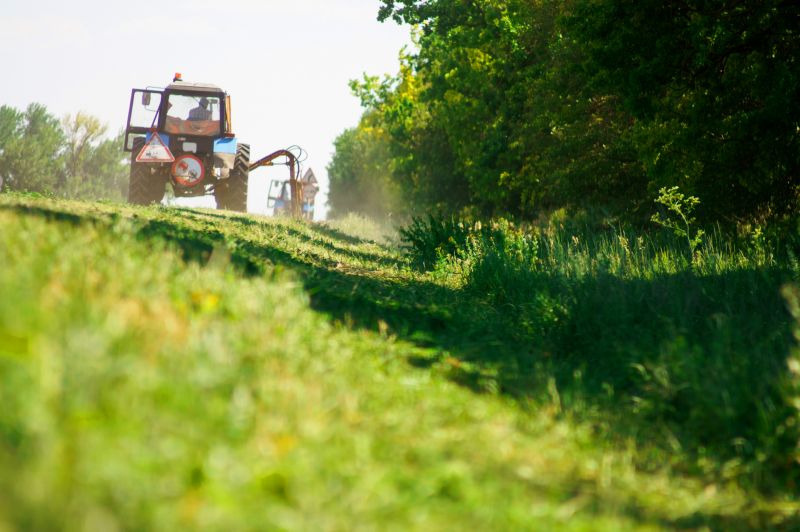
Brush Clearing - removes overgrown vegetation to improve yard visibility and access.
Tree and Shrub Removal - safely eliminates unwanted or hazardous trees and shrubs.
Debris and Brush Pile Removal - clears away accumulated yard waste for a tidy landscape.
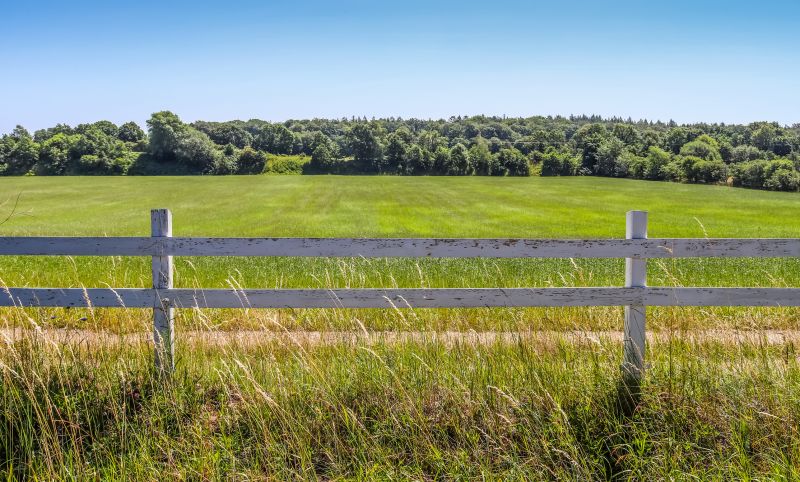
Lot and Field Clearing - prepares large areas for development or new planting projects.
Fence Line Clearing - maintains clear boundaries by removing encroaching vegetation.
Storm Debris Clearing - quickly removes fallen branches and debris after severe weather events.
Field Clearing Questions
What is field clearing service? Field clearing involves removing trees, brush, and debris to prepare land for development, agriculture, or landscaping projects.
When is field clearing needed? It is typically required before construction, farming, or land improvement to ensure safe and accessible property.
What types of projects benefit from field clearing? Residential development, commercial construction, farming, and land restoration projects often require field clearing services.
What should property owners consider before scheduling field clearing? It's important to assess the land’s condition, identify any protected vegetation, and determine the extent of clearing needed.
Request Field Clearing in Salt Lake City, UT
Use the quote form on this page to share the basics of your project and request more information for the type of work you need.