
Favorite Trenching And Digging Equipment for DIY Enthusiasts
Explore user-loved tools that make trenching and digging straightforward, even for first-time users and hobbyists.
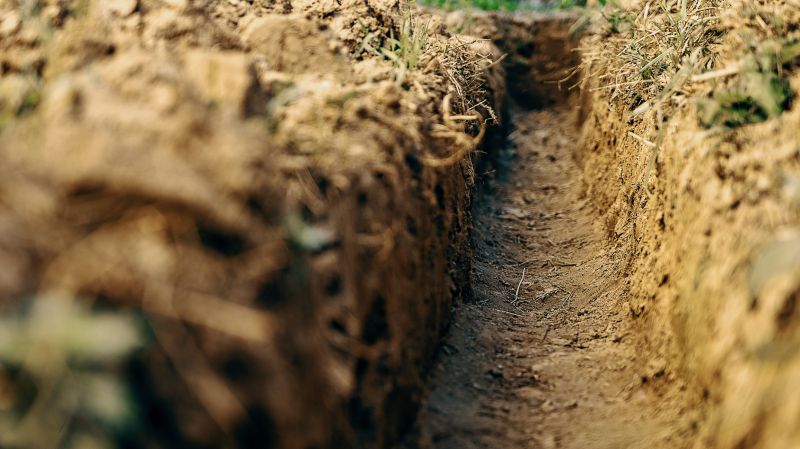 When undertaking trenching and digging projects, selecting the right tools and equipment is essential for efficiency and safety. From manual hand tools to powered machinery, the array of products available caters to various project sizes and complexities. Hand tools like shovels and trenching hoes are fundamental for small-scale tasks, offering precision and control. For larger or more demanding projects, powered options such as trenchers, mini excavators, and hydraulic digging machines provide increased productivity and reduced physical strain. Proper selection depends on the scope of the project, soil conditions, and available resources.
Top Overall Option
Power Trencher
A power trencher offers a versatile solution for various trenching tasks, combining power and precision. It is suitable for medium to large projects where manual digging would be labor-intensive. Features such as adjustable depth controls, durable digging chains, and ergonomic handles make it a practical choice for professionals and serious DIYers. While it requires some operation knowledge, it significantly reduces physical effort and project time compared to manual tools.
Types of Products For Trenching And Diggings
Manual Shovels
Basic hand tools essential for small-scale digging and trenching tasks, offering control and precision.
Trenching Hoe
A specialized hand tool designed for breaking up soil and creating narrow trenches efficiently.
Post Hole Diggers
Tools designed for digging deep, round holes for posts, fencing, or planting.
Power Trencher
Motorized equipment ideal for larger trenching projects, providing faster and more consistent results.
Mini Excavators
Compact machinery suitable for small to medium excavation tasks in tight spaces.
Hydraulic Digging Machines
Heavy-duty equipment capable of handling tough soil conditions and large-scale projects.
Post Pounders
Tools that use hydraulic power to drive posts into the ground, reducing manual effort.
Trenching Blades and Attachments
Accessories that can be added to machinery for specific trenching or digging needs.
Soil Augers
Tools used to bore holes in the ground for various purposes, including planting or utility installation.
Utility Trowels
Smaller hand tools useful for detailed trench work and finishing touches.
Vibratory Plate Compactors
Equipment used to compact soil after trenching to ensure stability and support.
Utility Locators
Devices that help detect underground utilities before trenching begins.
Safety Barriers and Signs
Protective equipment and signage to ensure safe work zones during digging projects.
Extension Cords and Power Supplies
Necessary accessories for powering electric trenching tools in remote locations.
Drainage Pipe Rollers
Tools designed to help lay and secure drainage pipes within trenches.
Hand Tamping Tools
Tools used for packing soil and ensuring proper trench bed compaction.
Cable and Pipe Pullers
Equipment to assist in pulling cables or pipes through trenches efficiently.
Popular Choices
A versatile tool for basic trenching, digging, and soil moving tasks.
Commonly used for installing fences and posts with ease.
Preferred for small projects and tight spaces requiring excavation.
Popular for its efficiency in trenching large areas quickly.
Frequently used to prepare and stabilize trench bottoms.
Essential for detecting underground utilities before digging.
Valuable for driving posts into the ground with less manual effort.
Helpful for laying drainage systems smoothly within trenches.
Necessary for powering electric trenching tools at remote sites.
Important for marking work zones and ensuring safety.
Useful for boring holes for planting or utilities.
Used for soil compaction and finishing trench beds.
Assist in pulling cables through trenches efficiently.
Ideal for detailed trench work and finishing touches.
Facilitate secure connections of pipes within trenches.
Enhance machinery versatility for specific digging needs.
Useful for leveling and preparing trench beds.
Provide mobility and power for larger trenching tasks.
Safety is a critical consideration when working with trenching equipment. Protective gear such as helmets, gloves, and high-visibility clothing should always accompany the use of heavy machinery. Additionally, understanding the terrain and soil stability can influence the choice of equipment to prevent collapses or accidents. Maintenance and proper handling of tools extend their lifespan and ensure consistent performance, making it worthwhile to invest in quality products and accessories.
For DIY enthusiasts and professionals alike, versatility and ease of use are key factors. Many products now feature ergonomic designs, adjustable settings, and safety features that accommodate different skill levels and project requirements. Whether digging trenches for plumbing, electrical lines, or landscaping, having the right assortment of tools can streamline the process and improve overall results. Preparing with the appropriate equipment also minimizes project time and reduces the risk of damage to surrounding structures or utilities.
Key Buying Considerations
- Project size and scope to determine whether manual or powered tools are appropriate.
- Soil type and conditions, including hardness, moisture, and debris, which influence equipment choice.
- Frequency of use and durability requirements for long-term projects.
- Ease of operation, especially for DIY users or those with limited experience.
- Safety features such as guards, emergency stops, and ergonomic design.
- Power source compatibility, including electric, battery, or gas-powered options.
- Availability of attachments and accessories for versatility and specific tasks.
- Weight and portability of equipment for ease of transport and maneuverability.
- Budget constraints balanced with quality and reliability of tools.
- Maintenance requirements and availability of replacement parts.
- Compatibility with existing tools or machinery in your toolkit.
- Noise levels and vibration, especially for prolonged use or residential areas.
- Environmental conditions such as weather resistance or waterproof features.
- User reviews and ratings to gauge real-world performance and satisfaction.
- Warranty and customer support offered by the manufacturer.
This page contains affiliate links. We may earn a commission if you make a purchase through these links, at no additional cost to you.